

Bariatric Wheelchair Recliner
For users with larger mobility requirements, a bariatric wheelchair recliner provides more convenience and convenience. These specialized chairs are built to accommodate much heavier weight capacities, have larger seat dimensions and more durable building.
However, they also need more area and are often bigger than standard wheelchairs. This can make them more challenging to steer in confined spaces.
Seating Options
Unlike routine wheelchairs, bariatric designs are able to deal with more weight without losing stability or sturdiness. They are often broader and function reinforced elements for extra strength and durability. They also use specialized upholstery that is long lasting, anti-microbial, and simple to clean. Specialized cushioning can help prevent pressure injuries such as sores and ulcers for those who spend long durations of time in their chairs.
Bariatric wheelchairs should be sized and fitted by an ATP or OT to ensure that they provide accurate fit and convenience for the user. An extensive evaluation consists of measuring seat-to-shoulder, hip-to-heel, and armrest-to-armrest ranges to identify if a bariatric design is best for the person. This assessment is important for making sure that the chair fits well and provides the correct quantity of support, convenience, and mobility to help the private stay active.
A good bariatric chair ought to can reclining for comfortable meals and other activities. It ought to likewise have the ability to facilitate sit-to-stand transfers to avoid caretaker stress and injury. The best bariatric wheelchairs are equipped with lateral and front-to-back assistance to make this procedure simpler.
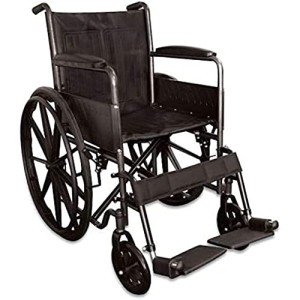
Other functions of bariatric wheelchairs consist of adjustable placing for improved posture and to ease seating-related discomfort. For example, chairs with an anterior tilt can help in facilitating transfer and enhance quality of life for those with restricted mobility by making it much easier to get in and out of bed. For individuals with increased risk of pressure ulcers, a bariatric wheelchair that uses superior pressure redistribution is essential. For example, Broda's designs with Comfort Tension Seating help in reducing the danger of pressure ulcers by providing optimum fit and by distributing body weight evenly.
Recliner Mechanism
Bariatric wheelchair recliners offer the strength and stability of a strong chair with the benefit of a reclining back. They can be utilized in hospitals, long term care facilities, and home settings to assist improve the quality of life for people with obesity-related health conditions. The tougher frames and wider seats allow larger users to move more conveniently while assisting prevent injury to the user and those helping with transfers.
The Chariot IV XTC-RC bariatric wheelchair has actually offset rear wheels to include stability and uniformly disperse the client's weight while in different reclining positions. Its durable flame retardant nylon upholstery resists mildew and germs. A spreader bar serves as a back stabilizer and supplies a hassle-free push manage for an attendant. Other features include tool-free adjustable elevating leg rests and a cushioned headrest.
Footrests
In a totally reclined position, the backrest is slanted forward toward the center of gravity to minimize the user's head and neck motion. This lowers the requirement for consistent repositioning and reduces the chance of pressure sores brought on by duplicated rubbing. It likewise permits users with a kyphosis, or hunched back, to raise the location of vision to prevent look stress.
Created to accommodate bariatric users, these wheelchairs are equipped with swingaway footrests that pull back when not in use to offer unblocked access to the user's front wheels and to assist in side transfers. They are also reinforced at important load-bearing points and include a chart pocket on the back upholstery. They have 24" x 1" black plastic wheels and non-marking polyurethane tires. Front rigging with heel loops is basic on the swingaway footrests.
Armrests
A bariatric wheelchair recliner permits a user to lie down in a likely position, taking pressure off the hips and back while likewise distributing weight evenly. This type of chair is normally more comfy than basic wheelchairs, and it's available in a broad variety of seat sizes and arm designs to accommodate users of any size. A strong frame is another characteristic that sets a bariatric wheelchair recliner apart from a basic wheelchair. Strong cross braces, reinforced gussets and extra-large riggings supply additional stability and security.
A reclining bariatric wheelchair likewise includes a padded headrest and cushioned footplates, which help in reducing pressure sores. The armrests are likewise padded to help users keep a natural posture while sitting in the chair. Furthermore, many reclining bariatric wheelchairs have an elevated footrest option to assist reduce pain from prolonged standing in one position.
There are numerous different kinds of wheelchair armrests available, including butterfly armrests that bend external like a butterfly to avoid the user from being squeezed while getting in and out of the chair. These armrests are designed to be simpler to grip than directly, short arm rests on basic wheelchairs, making it simpler for bariatric users to get in and out of the chair.
Other choices consist of a molded foam arm trough that can be mounted to the armrests of any wheelchair to help control undesirable lateral leaning. These arm troughs are simple to tidy and meet California Flammability requirements. They are also breathable to assist lessen the danger of skin irritation.
Another wheelchair armrest choice is a padded desk length. These armrests are easy to tidy and can be cut to match the height of any user's wheelchair. These are also perfect for usage at a desk or table due to the fact that they offer a comfortable place to rest the arms while working or eating. Most wheelchairs can be fitted with these armrests, and they are typically included in package with the chair when bought.